
Quick Summary
- Body massage offers deep physical relaxation and significant stress reduction.
- Different techniques like Swedish and Deep Tissue target specific needs.
- Choosing the right therapist ensures safety and maximum benefit.
- Sessions typically cost between 250 to 1,500 AED depending on duration and style.
- Hygiene and professional certification are key factors for selecting a provider.
Imagine carrying the weight of your day in your shoulders until you decide to finally let go. That feeling of release isn’t just wishful thinking; it’s the core promise of a proper body massage. Whether you’re dealing with chronic tension from desk work or just want to disconnect from the noise of modern life, massage therapy provides a sanctuary for your nervous system. In cities like Dubai, where the pace is relentless, taking time for yourself isn't luxury-it’s maintenance for your wellbeing.
This guide cuts through the marketing hype to explain exactly what happens during a session, how different techniques work, and how you can book a safe, effective experience that actually delivers results. You deserve to unwind, and understanding the options helps you get the most out of every minute.
What Exactly Is Body Massage?
Body massage is a therapeutic practice involving the manipulation of soft tissues in the body to improve circulation, reduce muscle tension, and promote overall relaxation. It is Relaxation Therapy, often practiced in Spa Services.
At its heart, massage is manual therapy. It uses hands, fingers, elbows, and sometimes tools to work on muscles, tendons, and ligaments. While many people think of it solely as a pampering session, the physiological response is complex. When a therapist applies pressure, your body releases serotonin and dopamine-chemicals associated with feelings of happiness and calm. Simultaneously, cortisol levels, the primary stress hormone, drop significantly.
It is not just about rubbing oil on skin. Skilled therapists assess posture and movement patterns. They notice tight knots in the trapezius before you even feel them. By addressing these restrictions early, regular sessions can prevent long-term injuries and improve posture naturally. Think of it as preventative maintenance for your mechanical structure, similar to servicing a vehicle to ensure it runs smoothly.
Real Benefits Beyond Feeling Good
You might know that a massage feels nice, but the physiological changes are measurable. Here is why incorporating this into your routine matters:
- Pain Management: Regular manipulation reduces trigger points in muscles that cause headaches, lower back pain, and neck stiffness.
- Better Sleep: The deep relaxation response signals your brain that it is safe to power down, helping you fall asleep faster and stay asleep longer.
- Circulation Boost: Manual pressure encourages blood flow to extremities, aiding recovery after exercise and keeping joints lubricated.
- Mental Clarity: Lowered stress levels correlate with improved focus and reduced anxiety symptoms.
- Skin Hydration: Quality oils used during sessions nourish the outer layer of the skin, improving texture and elasticity.
A study published in the journal Integrative Medicine Research highlighted that patients receiving regular massage showed a significant decrease in heart rate variability compared to those who did not receive treatment. This indicates a shift towards a parasympathetic state-the body’s "rest and digest" mode-which is crucial for recovery in our high-pressure environments.
Common Types of Massage Techniques
Not all massages are created equal. Choosing the right technique depends entirely on what you want to achieve. Walking into a spa without knowing the difference between Swedish and Deep Tissue can lead to disappointment if you expected deep work but got gentle strokes.
Swedish Massage
This is the classic style most people recognize. It involves long, gliding strokes designed to increase oxygen flow in the blood and relieve tension in muscles. It is perfect for first-timers or anyone needing general relaxation.
Deep Tissue Massage
If you have chronic muscle issues, this technique targets the deeper layers of fascia and muscle tissue. The pressure is significantly firmer, and while it might feel intense, it works to break up scar tissue and adhesions. Expect soreness afterwards as toxins are released from the muscles.
Hot Stone Massage
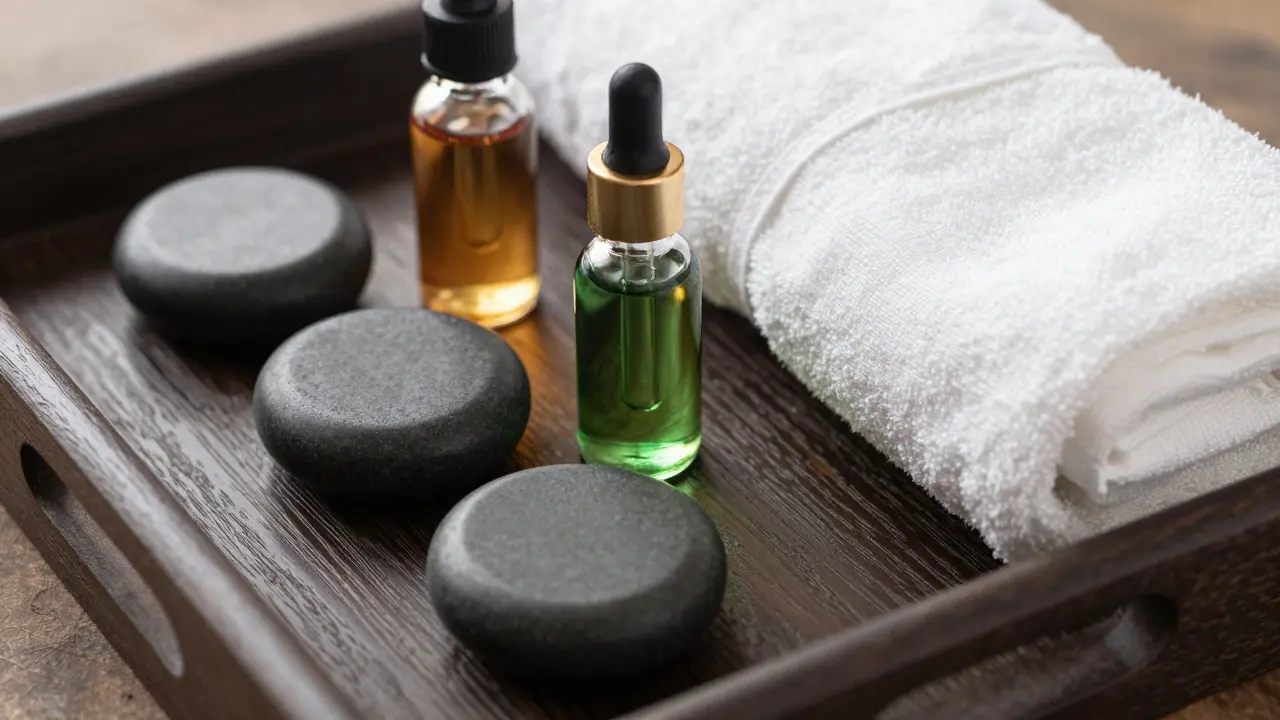
This method uses heated basalt stones placed on specific energy centers of the body. The heat penetrates deep, allowing muscles to loosen quickly with less friction needed from the therapist’s hands. It is incredibly soothing for stiff joints.
Aromatherapy Massage
This combines standard massage strokes with essential oils known for their therapeutic properties. Lavender promotes sleep, peppermint boosts alertness, and eucalyptus clears sinuses. It is ideal if you are sensitive to heavy pressure but want a sensory experience.
Sports Massage
Tailored for athletes or very active individuals, this focuses on stretching and strengthening specific muscle groups used during training. It prevents injury and aids performance rather than purely relaxation.
Finding Quality Services in Dubai
The quality of service varies widely across the city. When looking for a provider, reputation matters. Established hotels in Downtown Dubai, Dubai Marina, and Jumeirah often house spas with certified international standards.
Here are practical steps to find a reputable spot:
- Check Credentials: Look for therapists trained by recognized institutes. Reputable clinics display licenses prominently.
- Read Reviews: Sites like Google Maps or TripAdvisor provide insight into hygiene standards and professionalism. Look for comments about privacy and comfort.
- Visit the Facility: Cleanliness speaks volumes. Smell the reception area. Fresh air and neutral scents are good signs of air filtration systems working well.
- Inquire About Oils: High-end spas use organic or medically tested oils. If you have sensitivities, ask what brands they use beforehand.
- Verify Safety Protocols: Ensure the establishment follows strict sterilization rules for linens and equipment.
Many popular locations offer package deals that combine hydrotherapy with massage, giving you more value for money. Always clarify if extra amenities, like robe rental or drinks, are included.
What to Expect During Your Session
Your first visit might make you nervous, so knowing the flow helps remove the anxiety. Once you arrive, you will fill out a medical consultation form detailing any injuries or allergies. Be honest here; knowing about a recent knee surgery helps the therapist avoid pressure on that area.
After changing into comfortable attire or disposable underwear, you’ll meet your therapist for a quick chat. They will ask about pressure preferences. The room will be warm, dimly lit, with soft music playing. This environment is curated to shut out distractions.
The actual session lasts between 60 to 90 minutes. Communication is encouraged-if something hurts too much, say so. There is nothing wrong with asking for lighter pressure. Post-session, you are given time to rest before dressing. Drinking water immediately is vital to help flush out metabolic waste products released during the session.
Pricing and Booking Tips
Costs fluctuate based on location, duration, and spa tier. A standard 60-minute full body massage in a mid-range hotel might range from 250 to 450 AED. Luxury resorts may charge upwards of 800 AED for the same hour due to overheads and premium facilities.
Booking online is convenient, though calling directly can sometimes unlock loyalty discounts. Avoid last-minute bookings during peak seasons (winter months, holidays) unless you are flexible with timing. Weekend mornings are notoriously busy, whereas weekday afternoons are quieter and more available.
Don’t be afraid to negotiate packages if you plan to return regularly. Many places offer membership cards that give you 10-20% off subsequent visits. This builds long-term relationships with the staff, meaning your file history is better maintained over time.

Safety Precautions
While beneficial, massage isn't for everyone at all times. Communicating your health status prevents adverse reactions. Do not proceed with a full session if you have:
- Recent deep vein thrombosis
- Open wounds or contagious skin conditions
- Fever or flu-like symptoms
- High blood pressure without medical clearance
- Unstable fractures
If you are pregnant, seek a specialist trained in prenatal care. Standard deep tissue work can stimulate contractions, so modified techniques are necessary. Never hesitate to leave a facility if hygiene seems compromised or the practitioner ignores your boundaries.
Comparing Therapies
| Feature | Body Massage | Physiotherapy | Acupuncture |
|---|---|---|---|
| Primary Goal | Relaxation & Circulation | Functional Recovery | Pain Control & Energy Flow |
| Duration | 60-90 mins | 45-60 mins | 30-45 mins |
| Technique | Manual Manipulation | Exercises & Tools | Needles |
| Ideal For | Stress & Muscle Tension | Post-Injury Rehab | Chronic Conditions |
| Avg Cost (AED) | 300 - 1,500 | 350 - 600 | 200 - 500 |
While physiotherapy focuses on restoring movement mechanics, massage prioritizes fluid dynamics and neural calmness. Using them together is often the most effective strategy for recovering from sports injuries.
Frequently Asked Questions
How often should I get a massage?
For general maintenance, once a month is sufficient. If dealing with acute stress or pain, weekly sessions for a few weeks followed by monthly maintenance is recommended.
Is it normal to feel sore after?
Mild soreness is common after Deep Tissue. It usually passes within 24 hours. Drink plenty of water to speed up recovery.
Do I need to shave before massage?
Shaving isn't strictly required but shaving legs or arms beforehand avoids potential discomfort during oil application and ensures smoother contact with the skin.
Can massage cure arthritis?
It cannot cure the condition, but it effectively manages symptoms by reducing joint stiffness and surrounding muscle tension.
Should I eat before going?
Avoid heavy meals right before. Eat light snacks at least two hours prior to avoid nausea during the relaxation response.
Taking control of your relaxation schedule is a powerful act of self-care. With the right information, you can navigate the options confidently and choose a session that truly rejuvenates you. Don't wait for burnout to set in; prioritize your peace today.
ANN KENNEFICK
March 27, 2026 AT 03:16The aroma of eucalyptus and warm basalt stones creates a sanctuary away from city chaos effectively. Imagine sinking into plush linens while essential oils work their magic on your weary muscles. This ritual transforms ordinary Tuesday afternoons into rejuvenating escapes from relentless urban schedules.
Cailee Garcia
March 27, 2026 AT 14:08Buying massages is just another way to avoid dealing with real problems!!!
kimberly r.
March 28, 2026 AT 00:57While the article claims serotonin release is immediate, the physiological timeline is actually quite complex and often misunderstood by general audiences. Most people believe the chemical response happens within minutes when in reality it requires sustained pressure and deep nervous system engagement. Therapists often claim results that they cannot medically verify during the appointment itself because individual body chemistry varies significantly between clients. The cost listed for luxury resorts ignores the service charges that hotels automatically add to every bill without prior notification. Hygiene standards in some establishments are merely cosmetic while the towels are reused despite visible stains or odors upon arrival. It is crucial to inspect the room before lying down to ensure the sheets have been changed from previous clients rather than just ironed over old dirt. Prenatal massage recommendations are vague because standard techniques do indeed carry risks that require certified specialists who charge double the rate. The distinction between sports massage and regular Swedish therapy blurs in marketing materials leading to confusion for anyone seeking rehabilitation instead of pampering. Drinking water post-session is standard advice yet many spas forget to provide complimentary bottles forcing guests to buy expensive drinks elsewhere. Safety protocols mention sterilization but rarely detail the autoclave process used for tools or stone heating equipment specifically. People with high blood pressure should understand that intense pressure can spike readings further during the initial stages of manipulation rather than lowering them immediately. Arthritis management through soft tissue work is anecdotal at best without concurrent treatment plans involving physical therapy or medication adjustments. Sleep improvements mentioned depend heavily on circadian rhythms which might be unaffected by a single session regardless of how relaxing the atmosphere feels. Trigger points causing headaches are often neurological in origin rather than muscular meaning massage provides temporary relief without solving the root cause completely. These nuances are omitted from the guide making it feel more like a brochure than actual medical advice for wellness maintenance.
Ibrahim Ibn Dawood
March 29, 2026 AT 19:30The pricing structure lacks transparency regarding taxes.
Paul Addleman
March 31, 2026 AT 01:18Dubai has a rich history of hammam and thermal spa traditions that blend well with modern techniques. Locals often prefer established hotel brands for safety while tourists seek boutique experiences for authenticity. Understanding cultural expectations around gender segregation in certain areas helps avoid awkward situations during bookings. Many traditional practices emphasize hot stones and herbal infusions rather than the western oil-based methods described here. Community respect plays a major role in ensuring therapists maintain professional boundaries consistently throughout the session.
Rajesh r
April 1, 2026 AT 05:34hygiene is key here i agree with checking facilities
Eva Stitnicka
April 1, 2026 AT 08:36Claiming massage prevents injury is scientifically overstated in this specific context without longitudinal data support. Correlation does not imply causation regarding posture improvement claims made in the text.
Zachary Smith
April 1, 2026 AT 12:39I totally agree that communication is the most important part of finding the right fit. Small tweaks to pressure make a huge difference in getting the best outcome possible. Everyone deserves to feel comfortable while letting go of tension during their daily lives. It is nice to see guides encouraging research before committing to expensive packages.
Justin Green
April 2, 2026 AT 16:39This is actually really helpful for anyone planning a trip soon. Knowing what to ask beforehand saves a lot of stress later.
Mia Peronilla
April 3, 2026 AT 10:01Life is jst pain and we look for escapes likey this stuff. But is relaxtion real or just another way to stop thinking. The theroys say chemical changes happen but maybe its just our minds tricking us. We pay money for silence but the silence is loud sometimes. I think the soul needs more then oil on skin. Maybe we shuld listen to our bodies instead of buying sessions.