
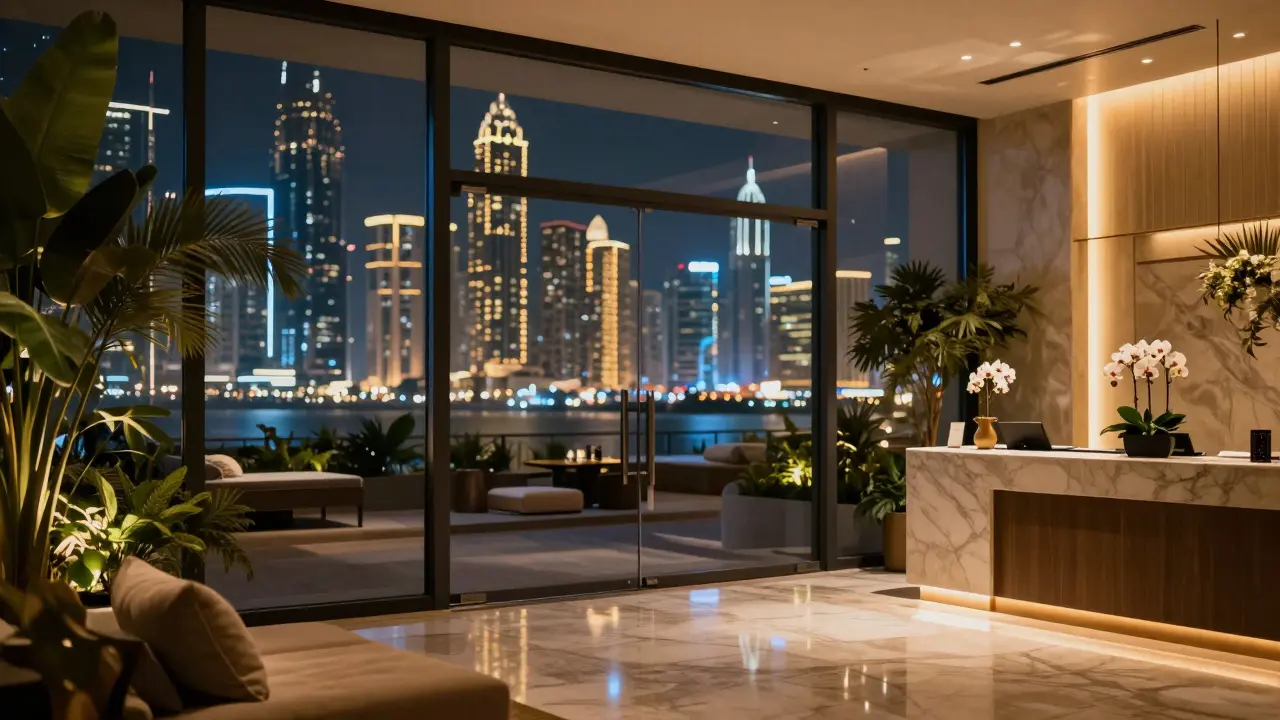
Welcome to Your Personal Sanctuary
You know that feeling when the city gets too loud? In Dubai, the skyline never stops shining, and the traffic never really quiets down. But imagine stepping through a door where the noise fades instantly. That is what a Massage Center Dubai is designed for. These spaces are more than just businesses; they are sanctuaries built to reset your nervous system. Whether you are a local resident dealing with back-to-back meetings or a traveler jet-lagged and stiff from long hours, finding the right spot is key.
We’ve all been there-shoulders so tight you can’t turn your head, or feet that feel like lead boots after exploring the desert. A professional treatment isn't a luxury here; it’s becoming a necessity for maintaining health in such a high-energy environment. The industry in the UAE has matured significantly over the last decade. Today, facilities adhere to strict regulatory standards, ensuring safety alongside luxury.
What Defines a High-Quality Treatment Space?
When people talk about top-tier facilities, they aren't just talking about plush towels. It’s about compliance, expertise, and atmosphere. The Department of Tourism and Commerce Marketing (DTCM) regulates many aspects of hospitality and wellness in the Emirate. Licensed establishments must follow specific guidelines regarding practitioner qualifications.
Reputable centers usually display their DTCM license visibly. Why does this matter to you? Because it guarantees that the therapist standing behind you knows anatomy and safety protocols. They understand pressure points and contraindications, meaning they won’t accidentally aggravate an injury while trying to help. Additionally, privacy is paramount. In these spaces, soundproofing and separate entry/exit paths are standard design features to ensure total discretion.
The Real Benefits Beyond Relaxation
While the immediate goal is to feel good, the science behind regular sessions goes deeper. Chronic tension in the trapezius muscles (the neck and shoulder area) is common among office workers sitting at desks eight hours a day. Professional manipulation helps break up those adhesions. Studies on mechanical therapy suggest consistent sessions can lower cortisol levels significantly. Cortisol is the body's primary stress hormone. Lowering it improves sleep quality, which is something many residents struggle with due to the late-night social culture here.
Beyond physical relief, there is an emotional component. Touch therapy releases oxytocin, often called the bonding hormone. Even though it happens between a stranger and a client, the feeling of being cared for translates to a sense of well-being that lasts well after the oil bottle stops running. Regular clients often report better digestion and clearer skin as systemic circulation improves.
Exploring the Therapy Options Available
Walking into a reception desk can be overwhelming with menus listing a dozen different terms. Understanding the difference helps you pick the right tool for the job.
- Swedish Massage: Uses long strokes and kneading. Best for general relaxation and improving blood flow.
- Deep Tissue Massage: Focuses on chronic muscle tension. Requires firm pressure and might cause temporary soreness. Ideal for athletes.
- Aromatherapy Massage: Combines essential oils with light touch. Good for anxiety and sleep issues.
- Sports Massage: Targeted work on specific muscle groups used during exercise. Often pre- or post-event.
- Reflexology: Pressing points on feet, hands, or ears to balance organs. Less invasive but effective for energy.
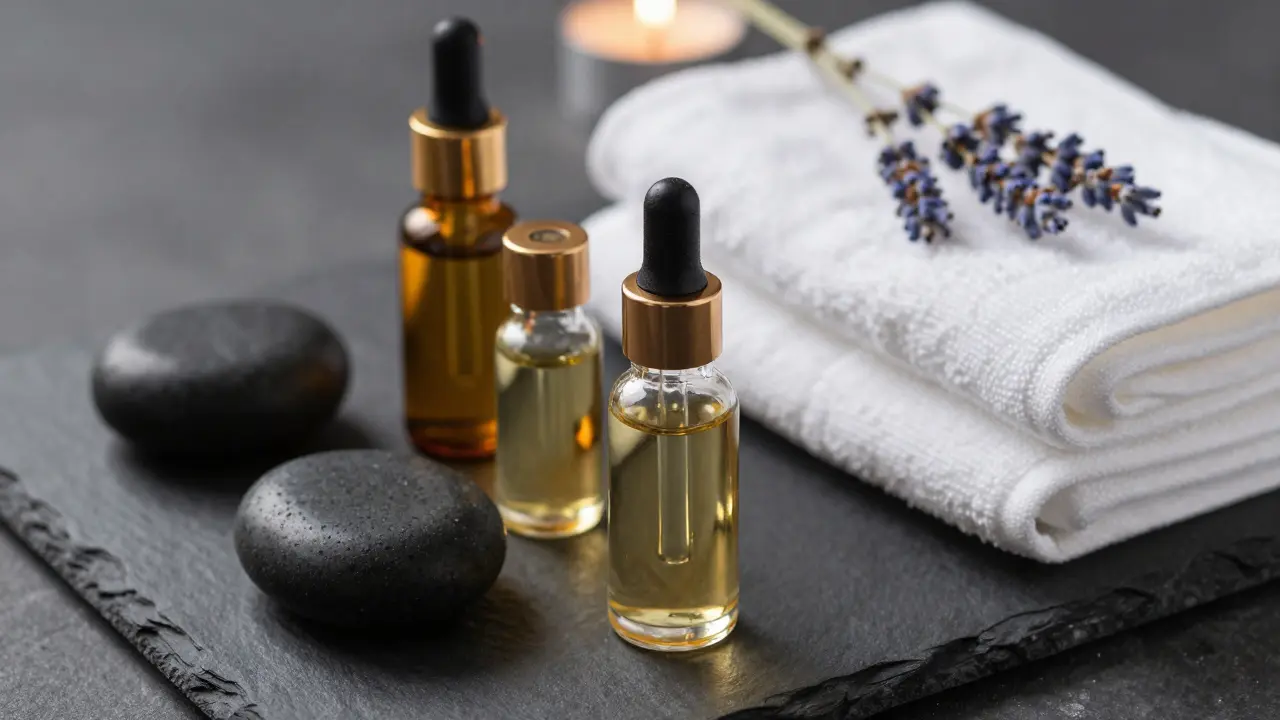
Many centers now offer mixed-modality packages. For instance, a session might combine Swedish techniques with aromatherapy oils like lavender for calming effects. If you aren't sure, ask the receptionist. Good staff assess your needs before booking rather than just taking payment.
Finding the Best Location for You
Dubai is huge. Traveling from Arabian Ranches to Downtown during rush hour can eat an hour of your day. Ideally, choose a location close to home or work. The most popular clusters for wellness services appear in Dubai Marina, Jumeirah Lake Towers (JLT), and Business Bay.
Hotels are another strong option. Five-star properties often house spas that exceed the average standalone clinic in terms of ambiance and amenities. While slightly pricier, the privacy and access to saunas or Jacuzzis add significant value. Tech-savvy travelers also use apps that aggregate reviews. Look for ratings above 4.5 stars on platforms like Google Reviews or specialized booking sites. Pay attention to recent comments-service quality can fluctuate, so freshness matters.
Walk-In Versus Booking Ahead
Some places operate on a walk-in basis, but the trend has shifted toward reservations. Popular therapists get booked out weeks in advance, especially on Fridays when locals return from shopping or social gatherings. Booking online offers transparency; you see the duration and price upfront. Many centers also offer loyalty programs where returning members get discounted rates or complimentary upgrades, like hot stone therapy included with a standard package.
| Location Tier | Average Price Range (AED) | Inclusive Amenities |
|---|---|---|
| Community Clinic | 250 - 350 | Masage Room Only |
| Lifestyle Lounge | 350 - 500 | VIP Lounge, Coffee/Tea |
| Hotel Spa | 500 - 900+ | Pool Access, Sauna, Robe |
Note that prices often vary based on duration. A 60-minute session is standard, but 90 minutes allows the therapist to cover your whole body, including legs and back. Shorter 30-minute sessions focus usually on just shoulders or hands.
What to Expect During Your Session
You arrive, and the first thing you notice is the lighting. Dimmed bulbs or candles create a biological signal to your brain that it is time to rest. You fill out a health form, disclosing any injuries, pregnancy status, or allergies to oils. Be honest here; it prevents bad reactions. Then comes the consultation. A good therapist asks questions: "Where do you hurt?" "How is your sleep?".
You undress comfortably to your level of comfort-usually down to underwear or undergarments provided. The sheet covers your non-treatment areas. The oil warms against your skin. Silence or soft instrumental tracks play. There are no phones allowed in the treatment room. The therapist works rhythmically, communicating if pressure needs adjusting. Post-session, you spend ten minutes resting before getting dressed to let your body absorb the benefits.
Safety, Hygiene, and Cultural Context
Cleanliness is non-negotiable. Fresh linens are used every single time. You shouldn't reuse towels. Practitioners wash their hands and sanitize tools between clients. Some centers also have gender-specific days or therapists. This aligns with local customs and offers comfort for those preferring same-sex practitioners.
Hydration is critical afterwards. Drinking water helps flush out metabolic waste released from the muscles during the massage. It prevents headaches and dehydration. Also, avoid heavy meals immediately after. Let your circulatory system settle before putting fuel into the engine. If you plan to drive, wait at least 20 minutes; falling asleep behind the wheel is a serious risk after a deep tissue session.
Comparing Home Visits vs. Salon Centers
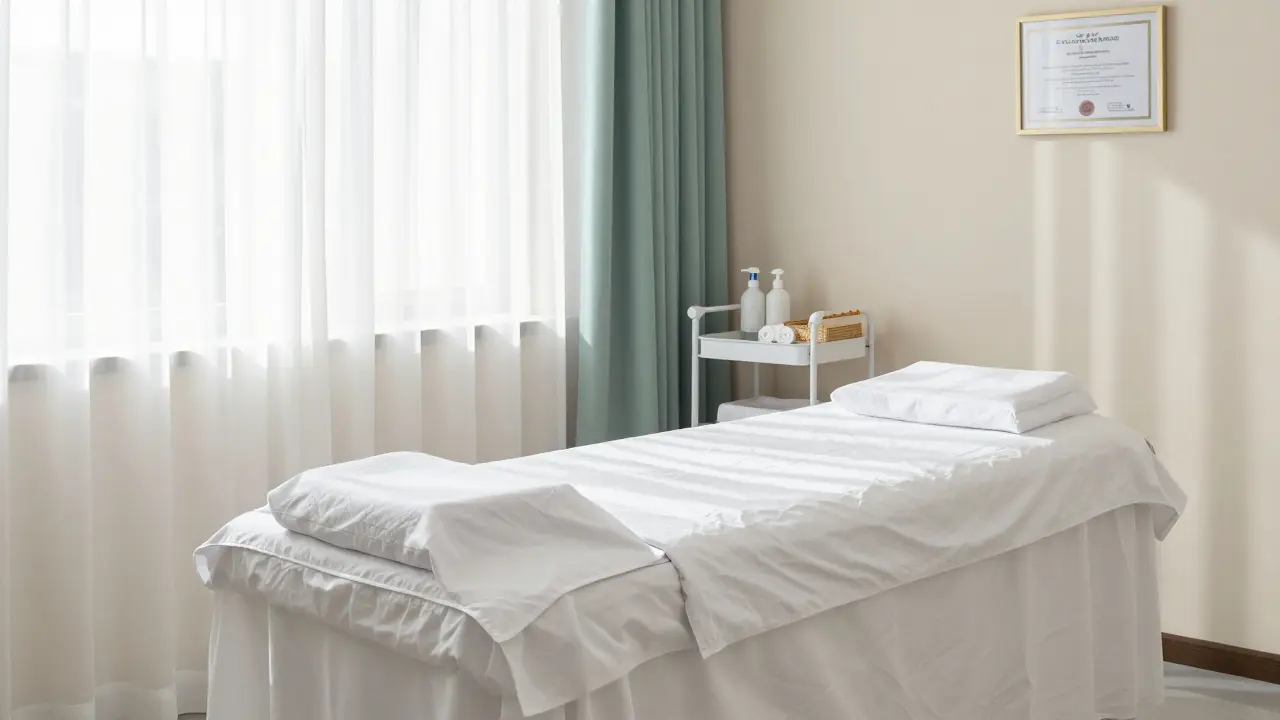
With mobile services booming, some wonder why bother leaving home? Mobile therapists bring the table to your villa. It saves travel time. However, professional clinics offer superior equipment. Heated beds, specialized chairs, and hydrotherapy pools are hard to replicate in a living room setting. Furthermore, the environment matters. A quiet clinic isolates you from daily chores and distractions.
If you prioritize convenience, book a mobile service. If you prioritize the full spa journey and advanced recovery gear, the facility wins. Always check the credentials of mobile providers, as regulations can vary compared to licensed permanent shops.
Tips for First-Time Visitors
If this is your first time booking in the UAE, keep these rules of thumb handy:
- Check Reviews: Read the negative feedback too. See if the owner responded professionally.
- Dress Code: You change inside, but wear comfortable clothes to and from the car.
- No Jewelry: Leave rings and watches in the locker. Oil stains on fabric are permanent.
- Tipping: While service charges are often included, tipping cash to the therapist directly is appreciated for excellent service.
- Communication: Speak up if pain occurs. It shouldn't hurt to feel pressure.
Making the Most of Your Appointment
Consistency yields the best results. One massage fixes acute pain temporarily. Monthly maintenance keeps your posture aligned and stress low. Treat it like dental hygiene; prevention saves repair costs later. Whether you choose a hidden gem in Al Quoz or a grand suite in the Palm, the act of prioritizing your body sets the tone for the rest of your week.
Frequently Asked Questions
Are massage centers open late in Dubai?
Most wellness centers in Dubai operate until 10 PM or midnight, especially those located within malls or hotels. However, smaller community clinics may close around 8 PM. It is best to call ahead to confirm evening availability.
Do I need a reservation?
High-end spas require bookings days in advance. Smaller neighborhood shops might accept walk-ins, but weekends tend to fill up quickly. Reserving ensures you get your preferred time slot.
Is same-sex massage available?
Yes, many centers respect personal preference and religious customs by offering gender-separated services. You can specify your preference when booking via phone or app.
Can pregnant women receive massages?
Pregnancy-safe massages are offered by qualified therapists using side-lying positions to avoid pressure on the stomach. Always inform the center beforehand so they prepare the appropriate setup.
What is the average cost per session?
Prices range significantly based on the tier. Standard clinics charge roughly 250 AED to 400 AED for 60 minutes. Luxury hotel spas typically range from 500 AED to 900 AED depending on the added therapies.
RANJAN JENA
March 31, 2026 AT 21:56You know that city noise can feel like a heavy blanket sometimes!
It is nice to see guides like this popping up!
We need more spaces for mental reset!
Back in Mumbai the situation was totally different!
Here privacy seems much better regulated!
I hope everyone checks the license first!
It is really important for peace of mind!
The oil scent alone tells you quality!
My therapist always asks about injuries before touching skin!
That care makes me feel safe and respected deeply!
Many people skip hydration after session!
Please drink water immediately to flush toxins out!
Your body will thank you for the kindness later!
Stress hormones drop significantly in that room too!
Do not forget to tip your therapist generously!
It truly feels like a personal sanctuary indeed!
Chrissy Brown
April 2, 2026 AT 00:04Super excited about the apps mentioned in the guide! 😍 The booking options sound amazing 👏 Also love the idea of loyalty programs 👏 Have anyone tried the ones in Marina yet? 💡 Can't wait to try deep tissue myself 💆♀️✨
Ryan Woods
April 2, 2026 AT 02:21Apps are unreliable tools for professional healthcare services.
The data integrity is often compromised by third party vendors.
People shoudl verify credentials manually before trusting software.
Hygiene protocols are not visible on a screen.
You risk your heaalth by being careless.
Formal verification is the only acceptable standard.
Teresa Bulhoes
April 3, 2026 AT 17:50I completely agree that consistency is key for recovery.
Leonie Holly
April 4, 2026 AT 11:32silence in those rooms helps the soul find balance without words i think its beautiful how touch speaks louder than talk we forget this often in our busy lives finding quiet is hard but necessary for menta health dont let the noise win ever keep that peace in heart
Marcia Chrisyolita
April 5, 2026 AT 23:41Regarding regulatory compliance, the DTCM framework is non-negotiable for international visitors.
We cannot allow substandard hygiene to permeate the hospitality sector.
The bio-mechanical risks are significant without proper oversight.
Facility audits must be rigorous to prevent cross-contamination events.
Consumer safety metrics indicate a failure when unlicensed practitioners operate.
This is unacceptable negligence in a premier destination.
Protocols regarding sterilization must be absolute and verified.